Time of use vs flat rate electricity: which suits your home?
Flat rate charges the same for every kWh at any hour. Time of use charges more at peak and less off-peak. If you can shift big jobs out of the evening, time of use can cost less.
Time of use vs flat rate electricity comes down to your evenings
Flat rate is simpler and safer if you use most of your power after work. Time of use rewards homes that can move the washing, dishwasher and pool pump to cheaper hours.
On a flat rate, a load of washing costs the same at 7am, 6pm or midnight. You pay one usage rate per kWh, plus a daily supply charge, which is the fixed amount you pay for being connected.
On time of use, that same load costs more in the peak window and less off-peak. The hours are set by your plan and your network area, so read them on the plan's details rather than guessing.
The catch is the evening. If cooking, heating and screens all land in peak hours and you can't move them, time of use can cost more than a flat rate.
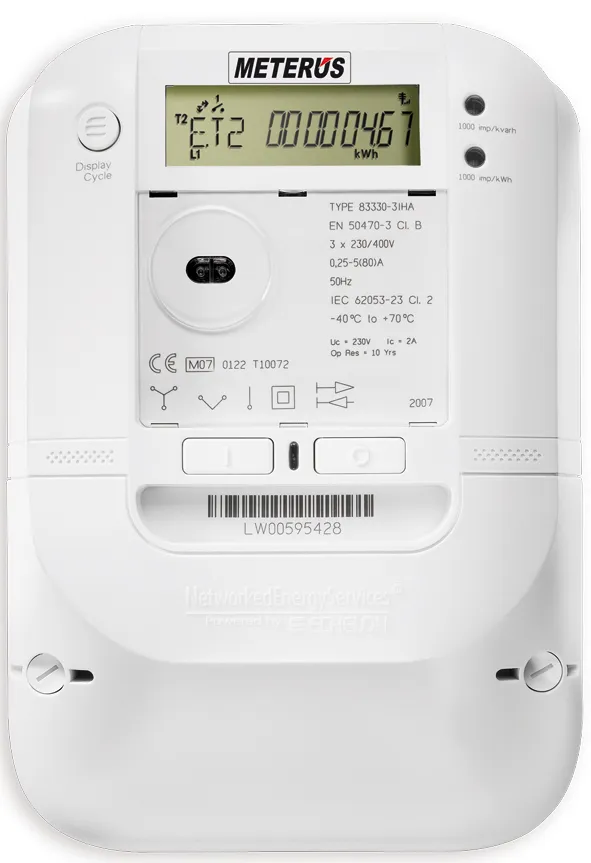
Time of use needs a meter that records when you use power, usually a smart meter. If your bill splits usage into peak and off-peak lines, you are already on it.
Flat, time of use, demand and controlled load: who each suits
Most homes are on one main tariff. Some also have a controlled load on its own circuit. Here is each one in a line, with the household it tends to suit.
Flat rate
One usage rate for every kWh, whatever the hour. Suits homes that use most power in the evening or can't move appliances around, and anyone who wants a bill that's easy to check.
Time of use
Peak, off-peak and sometimes shoulder rates, each with set hours. Suits homes that can run the dishwasher, washing machine or pool pump outside the peak window.
Demand tariff
What is a demand tariff? Usage rates plus a charge based on your highest use, in kW, during a set window. Suits homes that avoid running the oven, heater and dryer at the same time.
Controlled load
A separate circuit, often for electric storage hot water, that the network switches on at set times for a lower rate. It sits beside your main tariff, not instead of it.
How to tell which tariff you're on, and what it costs
Your last bill holds most of the answer. Work through it in this order, then compare plans as a yearly total rather than a rate per kWh.
Find the electricity cost calculator
Find the usage lines
One usage line means a flat rate. Peak, off-peak or shoulder lines mean time of use. A charge in kW means demand. A second line with its own rate, often called controlled load, is a separate circuit.
Note your kWh for each line
Write down the usage for each period over the billing days. The more of your use you can place in a time window, the closer any estimate gets.
Look for your peak demand
On a demand tariff, your bill may show the kW figure it charged on. That number, not your total kWh, decides the demand charge.
Compare as a yearly total
Our comparison works out each plan's yearly cost in dollars, including GST, supply charges and usage, from plans published to the Consumer Data Right feed. Payments from providers never change the order.
Read less certain results last
If we have to assume your demand, that plan is marked less certain and listed after the reliable estimates. Treat its cost as a guide, not a quote.
Flat, time of use and demand on the same five questions
Controlled load isn't a column because it runs beside any of these on its own circuit. Read across a row to see where the three main tariffs differ.
Questions households ask before switching tariff
The worries we hear most from people weighing up time of use against a flat rate, and the ones about how our comparison works.
Read the full HouseholdBills FAQ
Frequently Asked Questions
- Is time of use cheaper than a flat rate?
- Only if enough of your use sits outside the peak window. Peak rates on time of use plans are usually higher than flat rates, so a home that cooks, heats and runs the dryer in the evening can pay more. Compare both as a yearly total at your own usage before you switch.
- Why can't you cost a demand tariff without my demand?
- A demand charge is based on your highest use in a set window, measured in kW. Your bill total in kWh doesn't show when that peak happened or how high it was. Without it we have to assume a figure, so we mark the result less certain and list it after the reliable estimates.
- Why does a plan say less certain?
- Some plans charge for your peak demand or use rates we can't match to your usage without more detail. We still show them, marked less certain and listed after the plans we can cost reliably.
- What is controlled load, and do I have it?
- Controlled load is a separate circuit, usually for electric storage hot water, that the network switches on at set times for a lower rate. If your bill has a second usage line with its own rate, often called controlled load, you have it. Include that usage when you compare, or the estimate will be off.
- Can I go on time of use without a smart meter?
- Time of use needs a meter that records when you use power, which usually means a smart meter. If your bill shows one usage figure from a basic meter, ask your retailer what meter you have before you look at time of use plans.
- Do providers pay you to rank higher?
- No. Results are ordered by estimated cost at your usage. We may be paid when you choose some plans, and any sponsored placement is labelled, but payment never changes the order. See How we make money at /tools/how-we-make-money/.
- Why can't I compare electricity in WA or the NT?
- Retailers there do not publish their plans through the national feed we use, so we can't show a complete, current list. The household, electricity, solar and battery calculators still work.
Know your tariff? See what it costs you in a year.
Free. No sign-up to compare. Plans from the Consumer Data Right feed, checked every 24 hours.