
Your solar feed in tariff is only half the story
A solar feed in tariff pays you for power your panels send to the grid. We explain how it works, why a high rate can come with higher usage charges, and where a battery fits.
We may earn a commission when you buy through links on this page. It never changes what you pay.
How a solar feed in tariff actually works
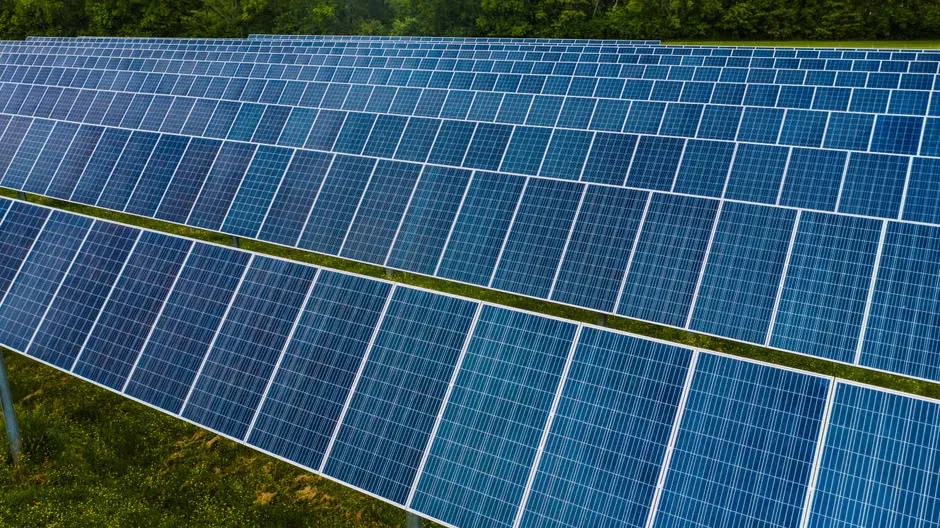
Your panels make power during the day. Your home uses what it can, and the rest flows out to the grid.
Your retailer pays a credit for each kilowatt hour you export. That rate is your feed-in tariff, and it shows on your bill as a credit line.
Power you buy from the grid works the other way. You pay a usage charge for each kilowatt hour, plus a daily supply charge every day of the bill.
So your bill is really three numbers working together: what you earn on exports, what you pay for imports, and the daily charge. Change one and the others matter just as much.
Feed-in rates and rules vary by state, by network area and by retailer. That is why the same rate can suit one solar home and not the next.
Where to compare plans and storage for solar homes
Three places to compare and shop, and three of our guides that pick up where this one stops.
Compare solar plans at Econnex
An Australian comparison service for electricity and gas, with free help to switch. Suits solar owners who want several retailers side by side.
See Compare solar plans at EconnexCheck AGL plans for solar owners
An Australian retailer for electricity and gas. Look at the feed-in tariff and usage charges on its solar options for your area.
See Check AGL plans for solar ownersShop battery packs at VoltX
Lithium battery packs and energy storage for homes, caravans and backup power. Check current options at checkout.
See Shop battery packs at VoltXCompare electricity plans step by step
How to read supply and usage charges, conditional discounts and contract terms, then switch provider.
See Compare electricity plans step by stepHome battery backup and safety
Battery packs for outages, caravans and sheds, with safety notes and licensed electrician installation explained.
See Home battery backup and safetyCut your summer electricity bill
Cooling choices, time of use and getting ready for storms and outages in the hot months.
See Cut your summer electricity billHow to choose a plan for solar owners, in order
Follow these steps in this order. Each one makes the next comparison more honest.
- 01
Find your exports and imports
Look at your latest bill for the feed-in credit and the kilowatt hours you bought. Our line by line bill guide shows where each figure sits.
- 02
Name your tariff type
Check whether you are on a flat, time of use or demand tariff. It changes which plans you should compare against each other.
- 03
Notice when you use power
Think about evenings, school holidays and working from home. A home that empties out by day exports more than one that stays busy.
- 04
Compare the whole plan
Set the feed-in tariff beside the usage charge, the daily supply charge and any conditions. A strong export rate means little if every other line costs more.
- 05
Check a reference price
Compare offers against the Default Market Offer, or the Victorian Default Offer in Victoria. Energy Made Easy and Victorian Energy Compare are the official government comparison sites.
- 06
Read the summary, then switch
Read the Critical Information Summary for any plan you like. Econnex offers free help to switch once you have chosen.